12:03 PM Optimising Regional Distribution for Cargo Malaysia Shipments |
|
The economic relationship between Singapore and Malaysia has evolved into a highly integrated trade corridor where the movement of inventory requires both precision and adaptability. For businesses managing cargo Malaysia shipments in 2026, the transition toward digitised land transport and integrated border zones has created new opportunities for cost reduction and speed. Choosing the right logistics path involves more than just selecting a carrier; it requires a strategic understanding of how road freight, customs documentation, and supply chain visibility intersect. This guide provides a comprehensive overview of the current logistics landscape, helping you navigate the complexities of cross-border trade while ensuring your goods reach their destination safely and on schedule. Key Takeaways:
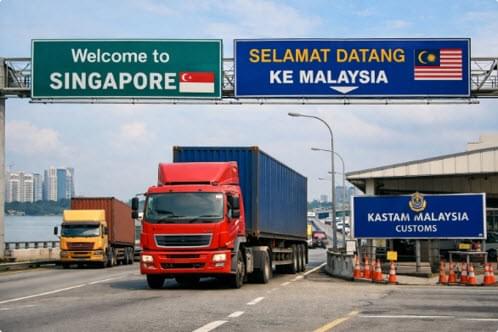
Strategic Benefits of Land Transport for Regional FreightIn the current year, the proximity of Singapore and Malaysia makes land-based logistics the primary choice for most commercial and industrial sectors. While air freight is often reserved for emergency components or highly perishable pharmaceutical samples, road haulage serves as the backbone of the regional economy. The ability to load cargo at a Singaporean warehouse and deliver it directly to a factory in Malaysia eliminates the multiple handling stages associated with airports and seaports, which inherently reduces the risk of transit damage. The development of the Johor-Singapore Special Economic Zone has further enhanced the efficiency of land routes. Businesses now benefit from streamlined green lanes and integrated infrastructure that facilitates faster movement for compliant shippers. For logistics managers, this means that road freight is no longer just a budget-friendly alternative; it is a highly reliable mode that supports time-definite deliveries and just-in-time manufacturing processes. By focusing on land-based solutions, companies can achieve a level of operational agility that is difficult to replicate through other modes of transport. Comparing the Financial Costs of Cargo Malaysia LogisticsA detailed cost analysis is essential for any procurement team looking to optimise their regional shipping budget. Road freight typically operates on a transparent, flat-rate structure based on the vehicle type or the volume of space occupied. This predictability is a major advantage over air freight, where costs are heavily influenced by fluctuating fuel surcharges, security fees, and terminal handling expenses. In 2026, the cost of moving goods by road remains significantly lower than air transport, often providing savings of 60% to 80% for similar weight categories. Indirect savings also contribute to the overall value of road transport. For instance, the robust nature of trucking allows for the use of standard industrial packaging, whereas air freight often requires expensive, lightweight materials to minimise volumetric weight charges. Additionally, the door-to-door nature of trucking removes the need for separate last-mile delivery services at the destination, further consolidating the total landed cost. When all these factors are aggregated, land-based logistics emerges as the most sustainable financial path for high-frequency regional trade. Navigating Customs Compliance and Digital DocumentationThe border crossing between Singapore and Malaysia is governed by strict regulatory frameworks that demand meticulous documentation. In 2026, the shift toward paperless trade has made digital permits and electronic declarations the standard for all cargo Malaysia shipments. Essential documents such as the commercial invoice, packing list, and the relevant customs permits must be prepared with absolute accuracy. Any discrepancy in the Harmonised System (HS) codes or the declared value of the goods can lead to immediate delays at checkpoints like the Woodlands Causeway or Tuas Second Link. To mitigate these risks, many businesses now partner with logistics providers that hold Authorised Economic Operator status. This certification indicates that the provider meets international security and compliance standards, often resulting in expedited clearance and fewer physical inspections. By utilising digital freight-matching platforms that integrate with systems like Malaysia's Dagang Net or Singapore's TradeNet, shippers can ensure their paperwork is verified before the truck even reaches the border. This proactive approach to compliance is the single most effective way to avoid the hidden costs of border congestion. Choosing Between FTL and LTL for Maximum EfficiencyThe decision between Full Truck Load (FTL) and Less Than Truck Load (LTL) is a fundamental part of a successful logistics strategy. FTL is the gold standard for large-scale shipments or high-value items that require a dedicated, sealed container from origin to destination. This method offers the fastest transit times and the highest level of security, as the cargo remains untouched throughout the journey. For industries such as electronics or automotive manufacturing, FTL provides the reliability needed to keep production lines running without interruption. On the other hand, LTL services are ideal for businesses that move smaller volumes or require more frequent dispatches. By sharing truck space with other shippers, you only pay for the volume your goods occupy, which is a perfect solution for maintaining lean inventory levels. In 2026, the rise of e-commerce and smaller-batch retail has driven a surge in LTL demand, leading to more frequent scheduled departures. While LTL may involve a slightly longer transit window due to the consolidation process, it offers the flexibility needed to respond to real-time market demand without the expense of a full vehicle.
Advancements in Visibility and Cold Chain LogisticsSupply chain transparency has become a non-negotiable requirement for modern businesses. Today, cargo Malaysia shipments are supported by advanced telematics and Internet of Things (IoT) sensors that provide real-time data on location, temperature, and even humidity. For the pharmaceutical and food sectors, these temperature-controlled trucking solutions are essential for ensuring product integrity during the cross-border journey. Automated alerts can notify logistics managers if there is any deviation from the required parameters, allowing for immediate corrective action. This level of visibility also extends to security. Modern containers are often equipped with electronic seals and shock sensors that record any unauthorised access or rough handling. This data-driven approach not only protects the physical cargo but also provides valuable insights for long-term supply chain optimisation. By analysing transit data, businesses can identify bottlenecks, evaluate carrier performance, and refine their delivery schedules to improve overall efficiency. In a competitive market, the ability to provide customers with an exact arrival time based on live data is a powerful tool for building trust and loyalty. Promoting Sustainability in Regional Road FreightSustainability is a growing priority for corporate logistics in 2026, with many firms now required to report on their Scope 3 emissions. Road transport is adapting to these requirements through the deployment of electric prime movers and the use of sophisticated route-optimisation software that reduces empty-mile running. For regional trade, land-based solutions generally offer a lower carbon footprint per tonne-kilometre than air freight, making them a more environmentally responsible choice for organisations with ambitious ESG goals. Efficiency and sustainability are often two sides of the same coin. By improving load factors and reducing the time vehicles spend idling at border crossings, logistics providers can simultaneously lower costs and reduce emissions. The adoption of alternative fuels and the gradual greening of the trucking fleet are essential steps in future-proofing the Singapore-Malaysia trade corridor. As consumers increasingly favour brands that demonstrate environmental responsibility, choosing a logistics partner that invests in sustainable technology has become a strategic commercial advantage. Read another Article: Regional Haulage Solutions - How to Ship Cargo Malaysia with Maximum Efficiency |
|
|
| Total comments: 0 | |