8:44 AM Access Control Installation Checklist: A Complete Guide |
|
Setting up a secure and reliable entry system for doors and gates requires proper planning, the right tools, and a well-structured process. Most businesses and residential properties want a hassle-free method of access control, and the foundation begins with access control system installation carried out using a proper method. Understanding all the components involved – wiring, power planning, device positioning, software configuration, and the optional link to a CCTV system – is essential before starting any installation work. This article outlines everything a team should consider when creating a checklist for door and gate access installation to ensure long-term stability and performance. By following a disciplined approach supported by solutions from experienced providers, organisations can achieve a dependable setup that meets their security requirements without unnecessary complications. Key Takeaways:
Conducting an Initial Site Review"Nothing is done by force" should be the guiding principle before drilling, wiring, or mounting any equipment. Conducting a proper site survey is the first stage of access control system installation, and its main objective is to evaluate the client's security requirements thoroughly. Specialists assess the property layout, potential cable routes, and existing electrical infrastructure, including whether network cabling services are already in place. At this stage, installers also determine the number of entry points, door or gate types, and whether the access setup must integrate with other systems such as alarms or video monitoring. A well-planned site review ensures the system can later support your access control system effectively without unnecessary modifications. This proactive approach identifies potential obstacles before they become problems, saving time and resources during the actual installation phase. Essential Pre-Installation RequirementsAfter the site review, preparation becomes critical. Access projects require the correct tools, compatible hardware, and suitable cabling materials. Teams that arrive fully prepared can complete installations more efficiently and reduce disruption to daily operations. It is also at this point that installers verify compatibility with existing infrastructure, such as a structured cabling system or data cabling framework, ensuring future scalability. In hospitality environments like hotels with multiple access points, this preparation phase is particularly important to ensure seamless connectivity across the entire property. Items to Prepare Before Installation:
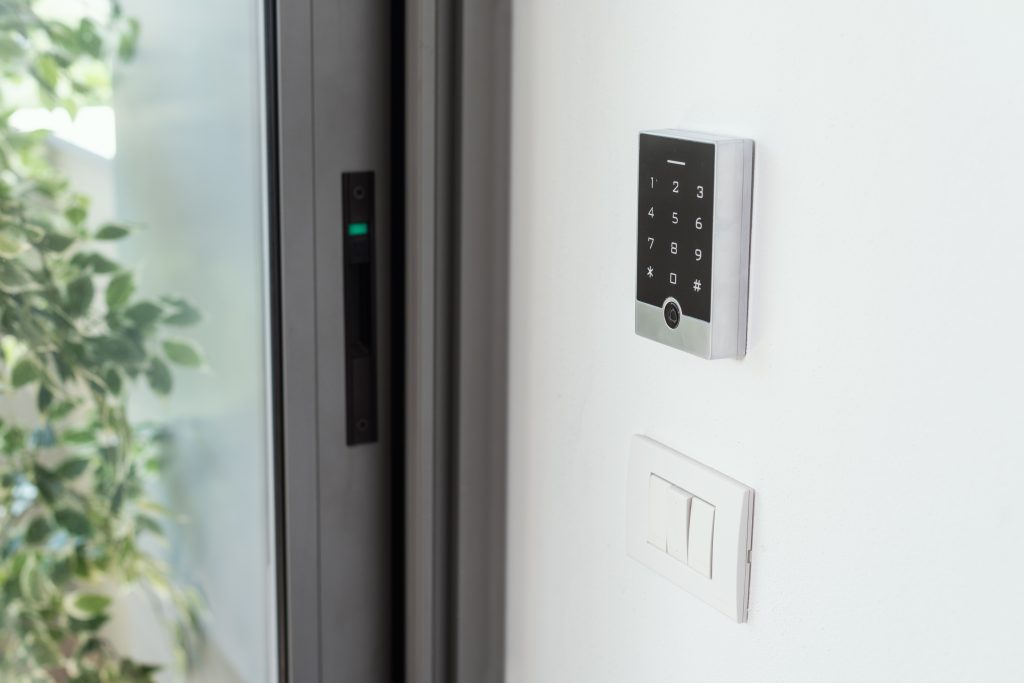
Preparing these items in advance greatly supports the people who physically carry out the installation work, enabling them to operate more professionally throughout the entire process. This preparation reduces delays and ensures the installation proceeds smoothly from start to finish. Installing Electrical Wiring and Power SupplyWiring is the backbone of any access setup, making it a top priority during your access control system installation. Installers must ensure cable routes are clear of interference and maintain safe distances from electrical lines. All cables should be clearly labelled to simplify maintenance and fault diagnosis, which becomes invaluable during future upgrades or troubleshooting. Equally important is the power source. Access devices depend on stable electricity, and incorporating uninterruptible power supplies ensures continuous operation during outages. A reliable backup power unit prevents system downtime, protects sensitive electronics, and supports critical access functions during power disruptions, which is essential for high-security environments. When planning the electrical infrastructure, consider both the immediate power needs and potential future expansion requirements. Hardware Placement and Mounting of ComponentsOnce wiring is complete, hardware must be mounted carefully and strategically. Controllers are typically installed in secure indoor locations to prevent tampering, while readers and keypads are placed at ergonomic heights for ease of use. Locks and strikes must align correctly with door frames to maintain reliability and prevent premature wear. In modern deployments, a smart building access solution may also require integration with network equipment, making professional cabling services a key consideration. Outdoor installations must include weather-resistant fittings to ensure durability, especially when supporting security door access systems in exposed areas. Proper mounting techniques and quality hardware ensure the system withstands daily use and environmental challenges.
Software Setup, Programming and TestingAfter hardware installation, system configuration begins. Technicians create user profiles, assign permissions, set schedules, and define emergency access rules. Accurate programming ensures the entire access control system functions as intended across different scenarios and operational requirements. Thorough testing is essential. Each credential – whether card, PIN, or biometric – must be verified individually. Event logs should match real-world activity, and backup power from uninterruptible supplies must be tested to confirm system resilience. These checks ensure the power backup supports uninterrupted access during outages, providing confidence in the system's reliability during critical moments. Integration With CCTV and Additional Security EquipmentModern access solutions often integrate seamlessly with a CCTV system, providing visual verification alongside access logs. When a credential is used, the corresponding camera captures footage instantly, enhancing audit trails and incident investigation capabilities. This integration strengthens overall security by combining entry control with real-time monitoring. Installers should test performance under different lighting conditions and confirm synchronisation between video records and access events for optimal results. The combination of entry logs and visual evidence creates a comprehensive security record that is invaluable for incident response and compliance purposes. Key Installation Elements ChecklistBefore finalising the installation, work through this checklist to ensure nothing has been overlooked:
This structured verification process catches potential issues before they affect daily operations, delivering a dependable installation that meets operational requirements from day one. Final Checks Before System HandoverBefore handing over the system to the client, a thorough final inspection is essential. Check that all doors and gates lock and unlock as expected. Run multiple tests with each user credential to confirm consistent performance. Verify that software logs mirror the real entries accurately. Examine the backup battery to confirm it is working correctly. If integrated, confirm that CCTV trigger actions are accurate and responsive. Make sure all parts are tightly fitted and securely mounted. This final inspection ensures all components are properly installed and aligned with safety standards, delivering a dependable system that meets operational requirements and provides lasting peace of mind. ConclusionInstalling an access control solution is most effective when guided by a structured checklist. From planning and cabling to power protection and system testing, every step contributes to a secure and dependable setup. By following a disciplined installation process and incorporating reliable backup power, organisations can achieve long-term security, operational continuity, and peace of mind. A well-executed installation not only protects your property but also enhances daily operations by providing smooth, reliable access for authorised personnel while keeping unauthorised individuals out. Investing time in proper planning and execution pays dividends in system longevity and performance. Frequently Asked Questions1. Why is a site survey important before access control installation? A site survey identifies potential obstacles, assesses existing infrastructure, and determines the most effective cable routes and hardware placement. This prevents costly modifications during installation and ensures the system meets the property's specific security requirements without unnecessary complications. 2. What power backup options should be considered? Uninterruptible power supplies (UPS) are essential for maintaining access control during power outages. These backup units provide temporary power to keep doors operational, protect sensitive electronics, and ensure security continuity during electrical disruptions or planned maintenance. 3. How long does a typical access control installation take? Installation duration depends on the number of doors, complexity of the system, and existing infrastructure. A standard office with ten doors typically takes three to five working days. Factors such as cabling requirements, integration with existing systems, and site-specific challenges can affect timelines. 4. Can access control systems be integrated with existing security equipment? Yes, most modern access control systems are designed to integrate with existing CCTV, alarm systems, and building management platforms. This integration creates a unified security ecosystem where entry events trigger corresponding video recordings and alerts. 5. What maintenance is required after installation? Regular maintenance includes testing backup power, checking cable integrity, verifying firmware updates, reviewing access logs, and confirming hardware functionality. Annual professional audits are recommended to identify potential issues before they cause system failures.
Read another Article: Server Room Cabling Management Guide |
|
|
| Total comments: 0 | |